
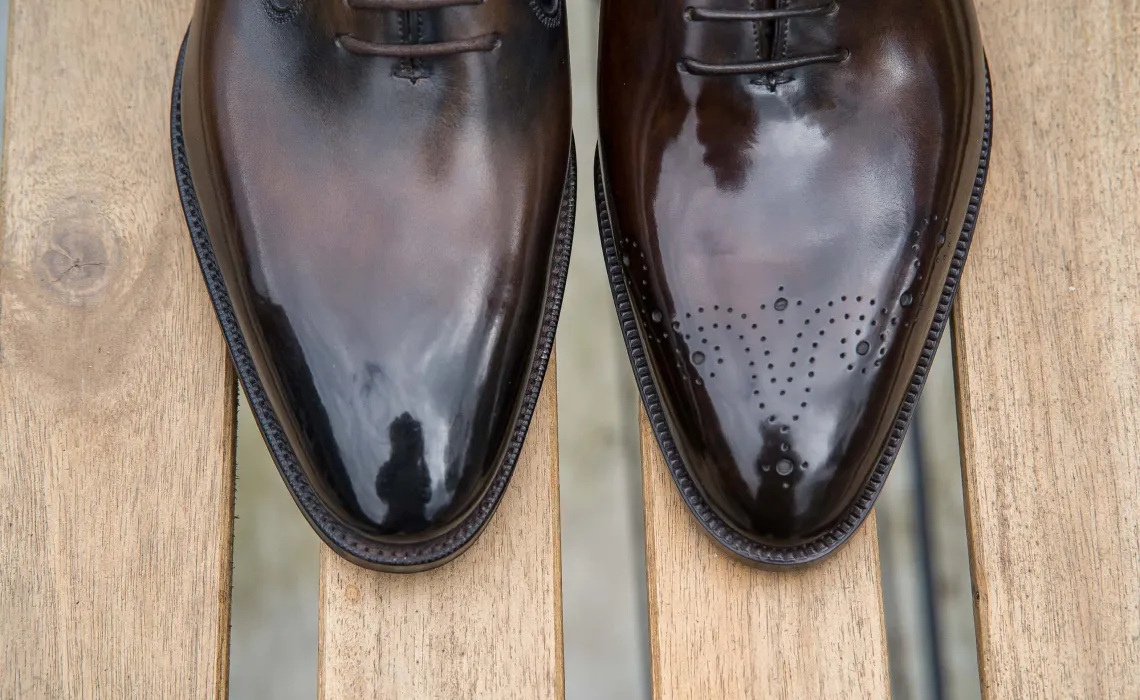
When buying premium footwear, one question comes up again and again:
Are handmade shoes really better than factory-made ones?
At first glance, they might look similar. Both can be stylish, both can be made of leather, and both can carry a high price tag. But the reality is completely different.
Understanding the difference between handmade shoes vs factory shoes is essential if you care about quality, durability, and true craftsmanship.
What Are Handmade Shoes?
Handmade shoes are crafted by skilled artisans who focus on precision, detail, and quality over speed.
Each pair goes through:
- Careful leather selection
- Hand cutting and stitching
- Detailed finishing touches
Unlike mass production, no step is rushed. The result is a product that reflects true Italian craftsmanship and attention to detail.
This is the standard followed by premium brands like MZLXRY, where each design is built to combine aesthetics with long-term durability.
What Are Mass-Produced (Factory) Shoes?
Factory-made shoes are produced in large quantities using automated machines and assembly lines.
The main focus is:
- Speed
- Cost reduction
- Scalability
This often means:
- Lower-grade materials
- Minimal quality control per unit
- Less attention to detail
While they may look good initially, they are typically designed for short-term use, not longevity.
Key Differences: Handmade Shoes vs Factory Shoes
1. Craftsmanship
Handmade shoes are built by artisans with years of experience.
Factory shoes are assembled by machines with minimal human involvement.
Result: Handmade shoes have character and precision. Factory shoes feel uniform and generic.
2. Material Quality
Handmade footwear usually uses:
- Full-grain leather
- Hand-dyed finishes
- Premium linings
Mass-produced shoes often rely on:
- Corrected leather or synthetic materials
- Chemical finishes
Result: Handmade shoes age beautifully, while factory shoes wear out quickly.
3. Durability
One of the biggest differences in the handmade shoes vs factory shoes debate is durability.
- Handmade shoes can last for years with proper care
- Factory shoes often degrade within months
This is due to:
- Stronger stitching
- Better sole construction
- Higher-quality materials
4. Comfort and Fit
Handmade shoes adapt better to the foot over time because of natural materials and flexible construction.
Factory shoes:
- Are rigid
- Follow standardized molds
- Prioritize speed over comfort
Result: Handmade shoes become more comfortable the more you wear them.
5. Design and Uniqueness
Mass production creates identical products.
Handmade shoes often include:
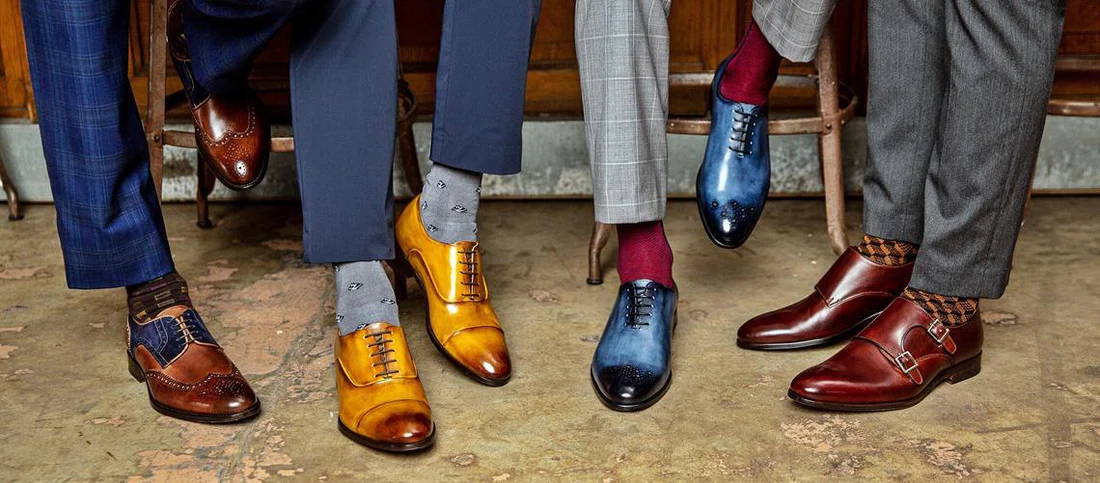
- Unique leather textures
- Subtle color variations
- Artisan finishing details
This gives each pair a distinct identity, especially in premium collections like those found at .
Why Handmade Shoes Cost More
The higher price of handmade shoes is not just branding. It reflects:
- Time-intensive production
- Skilled labor
- Premium materials
- Limited quantity
Instead of paying for volume, you are paying for quality and longevity.
Are Handmade Shoes Worth It?
If you are looking for:
- Long-term value
- Premium aesthetics
- Superior comfort
- Authentic craftsmanship
Then yes, handmade shoes are absolutely worth the investment.
On the other hand, if your priority is low cost and short-term use, factory shoes may seem appealing, but they rarely deliver lasting value.
Final Verdict
The difference between handmade shoes vs factory shoes comes down to one thing:
Quality vs quantity.
Handmade shoes offer:
- Better materials
- Superior durability
- Unique design
- True craftsmanship
Factory shoes offer:
- Lower prices
- Faster production
- Shorter lifespan
For those who value style, comfort, and long-term performance, handmade footwear remains the clear winner.
 No products in the basket.
