
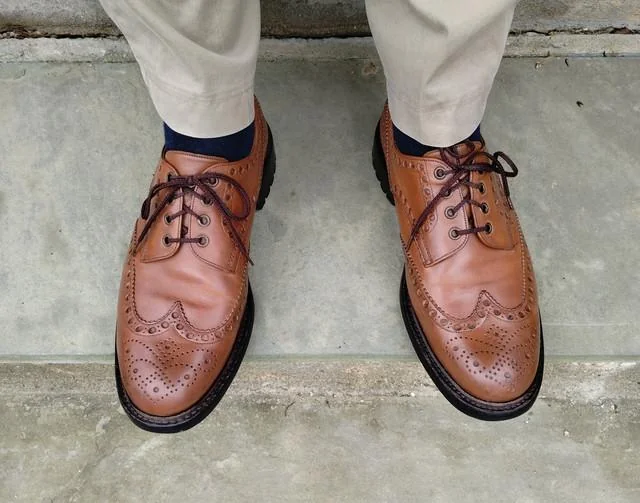
When choosing quality footwear, one of the most important decisions comes down to materials. The debate between real leather and synthetic alternatives is common, especially as more brands promote “vegan” or “artificial” options.
But when it comes to durability, comfort, and long-term value, the comparison between full grain leather shoes vs synthetic is not even close.
Full-grain leather remains the gold standard in premium footwear, especially in Italian craftsmanship, where quality is non-negotiable.
In this article, we break down why full-grain leather shoes consistently outperform synthetic materials in every category that matters.
What Is Full-Grain Leather?
Full-grain leather is the highest quality leather available. It comes from the top layer of the hide and retains its natural grain.
Unlike corrected or synthetic materials, it is not heavily processed or sanded down. This means it keeps its strength, texture, and natural character.
Key features:
- Natural grain texture
- High durability
- Breathability
- Ability to age beautifully
- Unique appearance
Premium brands like MZLXRY rely on these qualities to create footwear that improves over time.
What Are Synthetic Shoes?
Synthetic shoes are made from artificial materials such as plastic-based compounds, PU (polyurethane), or other engineered fabrics.
They are often designed to mimic the look of leather but are usually cheaper to produce.
Common characteristics:
- Uniform appearance
- Lower production cost
- Limited breathability
- Reduced durability
- Faster wear and tear
1. Durability: Leather Lasts, Synthetic Fails
The biggest difference in the full grain leather shoes vs synthetic comparison is durability.
Full-Grain Leather
- Can last for years
- Resistant to cracking
- Maintains structure over time
- Can be restored and maintained
Synthetic Materials
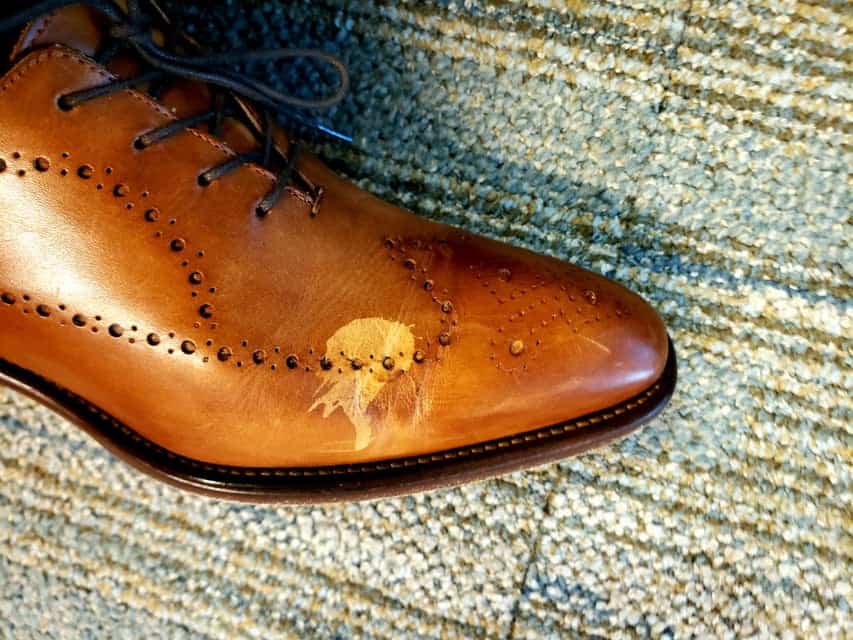
- Prone to cracking and peeling
- Degrades quickly
- Cannot be repaired easily
- Often needs replacement within months
Leather is built to age. Synthetic materials are built to be replaced.
2. Comfort: Natural vs Artificial Feel
Full-grain leather adapts to your foot.
Leather Comfort
- Softens with wear
- Shapes to foot structure
- Reduces pressure points
- Improves over time
Synthetic Comfort
- Stays rigid
- Does not adapt
- Can cause sweating
- Often uncomfortable after long use
This is why many people switch to leather after experiencing discomfort from synthetic shoes.
3. Breathability and Foot Health
Footwear affects more than style. It impacts daily comfort and hygiene.
Leather Advantages
- Allows airflow
- Absorbs moisture
- Reduces odor
- Keeps feet cooler
Synthetic Disadvantages
- Traps heat
- Causes sweating
- Increases odor
- Less hygienic over time
4. Appearance and Aging
Luxury footwear is not just about how it looks on day one.
Full-Grain Leather
- Develops a rich patina
- Gains character over time
- Maintains premium look
- Looks better with wear
Synthetic Materials
- Look flat and artificial
- Do not age well
- Crack or fade
- Lose appeal quickly
True luxury evolves. Synthetic fades.
5. Sustainability and Long-Term Value
While synthetic shoes are often marketed as “eco-friendly,” the reality is more complex.
Full-Grain Leather
- Lasts longer
- Reduces frequent replacement
- Can be repaired
- Lower long-term waste
Synthetic Shoes
- Short lifespan
- Frequent disposal
- Plastic-based materials
- Hard to recycle
Buying fewer, better products is often more sustainable.
6. Craftsmanship and Luxury Feel
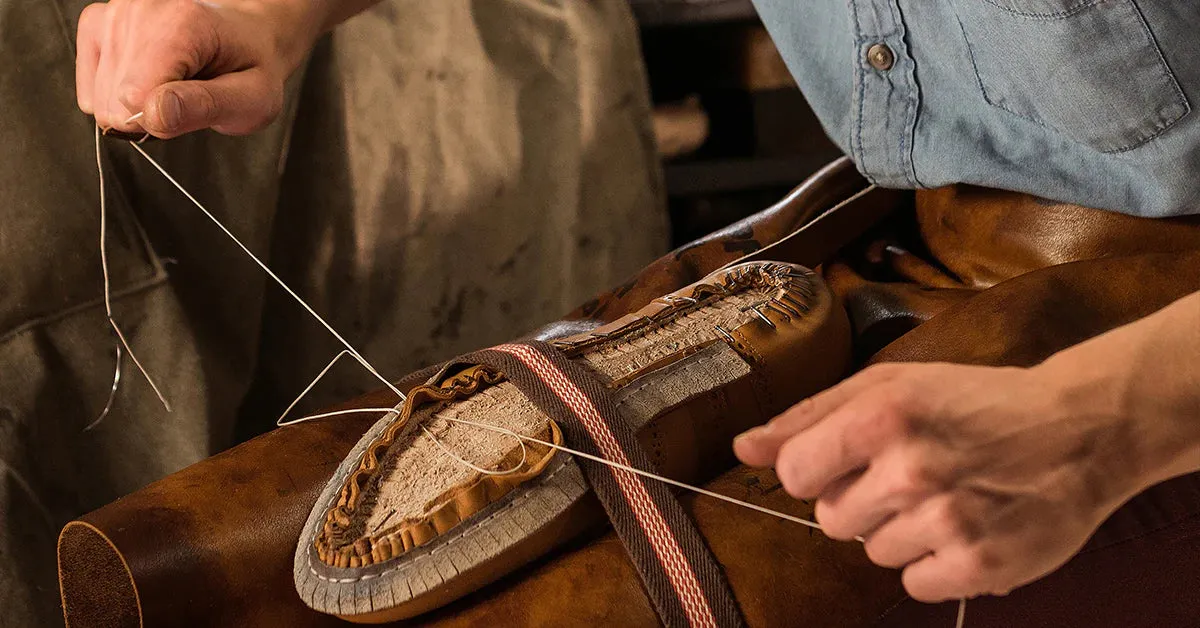
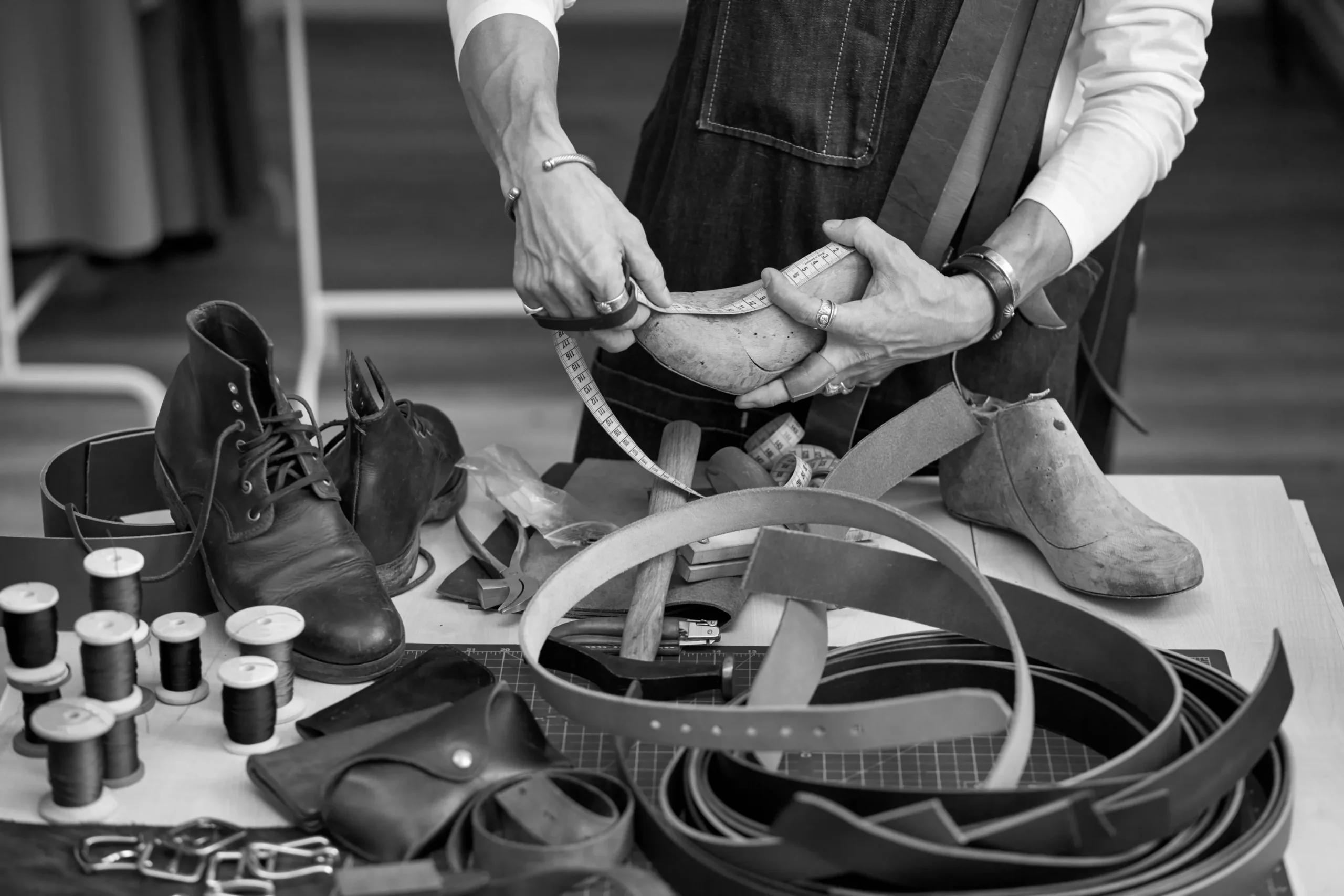
Full-grain leather allows artisans to create refined, detailed footwear.
It supports:
- Hand-dyed finishes
- Precise stitching
- Rich texture variation
- Premium finishing details
Synthetic materials limit craftsmanship and often result in mass-produced aesthetics.
Why Synthetic Shoes Still Exist
Synthetic shoes continue to exist because they are:
- Cheaper to produce
- Easier to scale
- Accessible to lower budgets
- Suitable for short-term use
However, they are not built for premium performance or long-term wear.
When Should You Choose Leather?
Choose full-grain leather when you want:
- Long-lasting footwear
- Better comfort
- Premium appearance
- Versatile styling
- Better value over time
Common Misconceptions
“Synthetic Looks the Same”
At a distance, maybe. Up close, the difference is obvious in texture, depth, and finish.
“Leather Is Hard to Maintain”
Basic care is simple and extends lifespan significantly.
“Synthetic Is More Modern”
Modern luxury still prioritizes natural materials for a reason.
Final Thoughts
The debate between full grain leather shoes vs synthetic comes down to quality vs convenience.
Full-grain leather offers:
- Superior durability
- Better comfort
- Breathability
- Long-term value
- Timeless appearance
Synthetic materials offer lower upfront cost, but rarely deliver lasting performance.
If you are investing in footwear that reflects style, comfort, and longevity, full-grain leather remains the clear winner.
Explore premium leather footwear designed for long-term performance and refined style at
 No products in the basket.
